
How a Round Unfolds
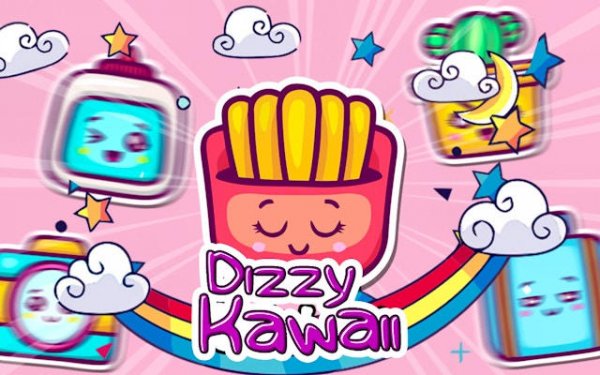
Each round opens with a memorization phase. A grid of colorful icons appears, every icon carrying a unique design. Players study the layout for a brief moment, then the icons are hidden. From that point forward, the only tool available is recall. The objective is straightforward: tap the pairs that match. Clear the board before the timer expires and the next round begins. The loop is short, repeatable, and built around recognizing patterns quickly rather than reacting to speed or reflexes.
Grid Growth and Time Pressure
Early rounds keep the grid small and the icon count low, which gives new players room to learn the matching rhythm without immediate pressure. Success expands the grid and adds more icons, and the timer shortens alongside that growth. The result is a steady difficulty curve that asks for faster recognition and sharper focus rather than sudden spikes. Because the pace increases gradually, the challenge feels earned instead of punishing. Best-time tracking gives players a personal benchmark to chase across attempts.
Visual Style and Feedback
Soft, rounded shapes and cheerful colors define the icon set. That choice keeps the game inviting for younger players while remaining pleasant for adults. Backgrounds stay clean and uncluttered so nothing competes with the icons themselves. Animations are subtle, confirming taps and matches without pulling attention away from the board. The overall presentation supports a calm but engaged mood, which suits a puzzle that depends on concentration.
Accessibility and Family Play
No reading is required, so pre-literate children and non-native speakers can play without instruction. Controls are simple taps that respond to both touchscreens and mouse input. There are no ads interrupting gameplay and no in-app purchases, keeping the focus on the puzzle itself. That combination makes the game easy to hand to a child or play in short sessions without worrying about monetization mechanics or mid-round interruptions.




Comments
0 comments