
Order Handling Basics
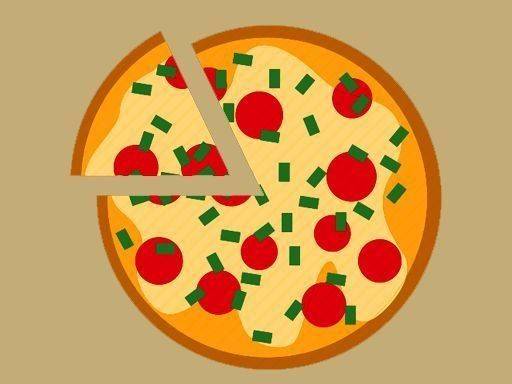
At the start of each round, a customer order appears at the top of the screen. You see exactly which toppings and how many of each are needed. Using either mouse clicks or finger taps, you drag ingredients like cheese, pepperoni, mushrooms, and bell peppers onto the pizza base. The interface keeps everything visible, so you can check your progress against the order at a glance. Once the pizza is assembled, you move it to the oven. A timer shows the baking duration. Pulling the pizza out too early leaves it underdone; leaving it too long results in a burnt crust. Timing matters for every pie.
Pacing and Difficulty Curve
Early levels introduce only a few customers with simple orders, giving you room to learn the drag-and-place mechanics. As you advance, more customers appear at once, and their orders include a wider mix of toppings. Some orders may request extra cheese or no mushrooms, requiring careful attention. The game gradually increases the number of simultaneous orders, so you must decide which pizza to assemble first. This ramp-up keeps the experience engaging without becoming overwhelming. Each level lasts just a few minutes, making it easy to play during short breaks.
Visual Design and User Experience
The kitchen is rendered with bright, cartoon-style graphics that clearly distinguish each ingredient. Topping icons are large and color-coded, reducing the chance of misreading an order. The oven timer uses a simple progress bar that changes color as the pizza nears completion. Sound effects provide gentle cues when a pizza is ready or when a customer becomes impatient. The overall aesthetic is warm and inviting, with no stressful or violent elements. This makes the game suitable for younger players and family settings.
Skill Development Through Play
Pizzeria Order Master naturally builds several cognitive skills. Reading orders quickly trains visual scanning and short-term memory. Dragging toppings accurately improves hand-eye coordination. Managing multiple timers encourages task switching and prioritization. The scoring system rewards both speed and accuracy, so you learn to balance haste with precision. Replaying levels to beat your previous score provides motivation to refine your approach. These mental exercises are woven into the gameplay without feeling like a formal lesson.
Tips for Improving Performance
Begin each round by scanning all orders before touching any ingredient. This gives you a mental map of what is needed. Group similar toppings together on the counter to reduce dragging distance. Keep an eye on the oven timer while assembling the next pizza; a quick glance can prevent burning. If you make a mistake, focus on completing the current order correctly rather than rushing to catch up. Accuracy earns more points than speed alone. Over time, your natural pace will increase as the movements become automatic.



Comments
0 comments