
Core Gameplay Loop
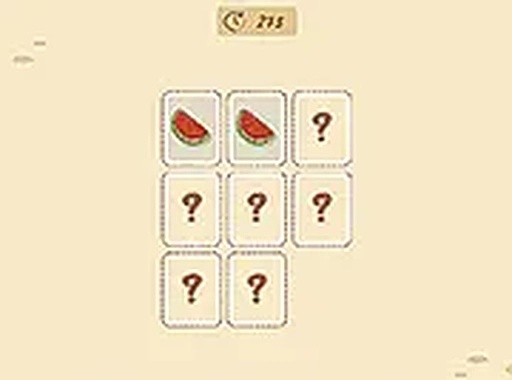
Memory Tile Match Quest presents players with a grid of face-down tiles. After a short preview where all images are briefly shown, the tiles flip back over. Your task is to tap or click on two tiles at a time to reveal their pictures. If the images match, the pair stays face-up. If not, they flip back down. The round ends when every pair has been found. This simple loop forms the foundation of the experience, encouraging concentration and visual recall.
Theme Selection & Visual Variety
Players can choose from several themed image sets before starting. Options include colorful fruit illustrations, playful animal portraits, and decorative cake designs. Each theme uses bright, friendly artwork that makes the game appealing for younger players while remaining pleasant for adults. Switching themes between sessions keeps the activity feeling fresh, as the images change completely even if the core rules stay the same.
Progression & Difficulty Curve
As you successfully complete rounds, the game increases the number of tiles on the board. Early levels use a small grid with only a few pairs, making it easy to get started. Later rounds introduce more tiles, requiring stronger short-term memory to track positions. A gentle timer tracks your completion time but does not punish mistakes harshly. This design lets players focus on improvement rather than feeling rushed.
Accessibility & Platform
Memory Tile Match Quest runs entirely in a web browser. There is no software to install and no account registration required. The interface works with both mouse clicks and touchscreen taps, making it playable on desktop computers, tablets, and smartphones. This cross-device compatibility means you can play during a short break at home or while waiting on the go. The straightforward controls also make it easy for young children to participate with minimal guidance.




Comments
0 comments