
Getting Started with Your Stand
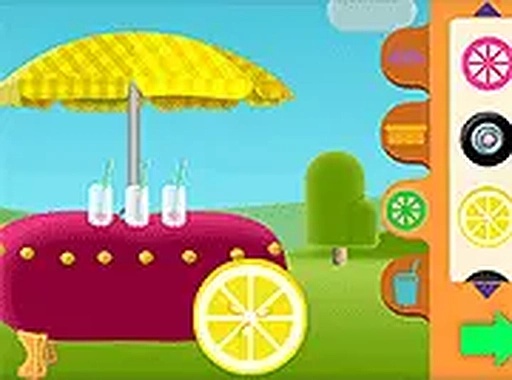
Players begin by picking a cheerful character to guide through the process of building a small drink stand. The first tasks involve placing wooden panels and a countertop to form the basic structure. Once the frame is ready, a variety of colorful decorations such as streamers, flower pots, and painted signs become available. Each decoration changes the look of the stand, allowing children to express their personal style. The interface uses large buttons and clear visual cues, making it easy for even the youngest players to participate without frustration.
Mixing the Perfect Beverage
The heart of the gameplay revolves around preparing lemonade. Players interact with a virtual kitchen area where they select lemons, add sugar, and pour water into a pitcher. Stirring the mixture requires a simple circular motion with the mouse or finger, and the drink changes color as it blends. After the lemonade is ready, customers appear one by one, each with a thought bubble showing their order. Tapping on a cup fills it with the prepared drink, and then dragging it to the customer completes the sale. This step-by-step process teaches sequencing and following instructions.
Visual Charm and Sound Design
The art style uses soft pastel colors and rounded shapes, creating a calm and inviting atmosphere. Characters have exaggerated facial expressions that react to success or waiting, adding a layer of emotional connection. Background music consists of gentle, upbeat melodies that loop without becoming distracting. Sound effects for pouring, stirring, and customer satisfaction are crisp and satisfying. The overall presentation feels polished and intentionally designed to keep young minds engaged without overstimulation.
Accessibility and Platform Support
This game runs entirely within a web browser, requiring no downloads or installations. It works on both desktop computers and mobile devices, with touch controls automatically detected. A full-screen option is available for a more immersive experience. The text is kept to a minimum, with most instructions delivered through icons and animations. This design choice ensures that children who are still developing reading skills can play independently. Parents can feel confident that the content is completely safe and contains no external links or advertisements.
Encouraging Creative Expression
Beyond the core lemonade-making loop, the game places a strong emphasis on personalization. Players can change the color of the stand, choose different outfits for their character, and select from multiple background themes like a park or a beach. These options do not affect the gameplay but provide a canvas for imaginative play. The act of decorating and customizing helps develop decision-making skills and gives each play session a unique feel. Repeating the process with different combinations keeps the experience fresh over multiple visits.
Building Confidence Through Repetition
The game rewards patience and attention to detail. Each successfully served customer adds a small star to a collection bar, and after a certain number of stars, a new decoration or character outfit unlocks. This gentle progression system encourages children to practice the steps without pressure. There are no timers or failure states; customers simply wait patiently or leave a friendly wave if they are not served. This design philosophy reduces anxiety and allows players to learn at their own pace, building confidence in their ability to complete tasks.





Comments
0 comments